Leadership Insights from Public Servants
4 public servant leaders share their reflections on how they lead and how they serve
Published 15 July 2020

4 public servant leaders share their reflections on how they lead and how they serve
For over twenty years, The Business of Government Hour has brought you leading government executives who are changing the way government does business. Each week, our guests join us for an informative, insightful, and in-depth conversation about the agencies they lead and the missions they pursue. It is from this rich library that we have culled together their insights on leadership and what it means to be a public servant leader.
In this Leaders Speak Series, I will bring you a sampling of past and current government leaders who share their reflection on leadership and public service.
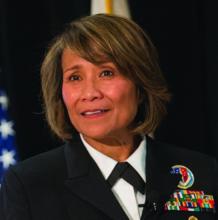
Vice Admiral (Ret) Raquel Bono, M.D., former Director of the Defense Health Agency (DHA) explains what her long and varied career has taught her about leadership:

Emily Murphy, administrator, U.S. General Services Administration underscores the importance of ethical leadership:
Ethical leadership should be a top priority for any leader. That has been my top priority from day one. It means doing the right thing and putting the taxpayer interest first. We admit we make mistakes. We learn from them and move on. Our goal is always to work with others to address challenges and to make our agency a better partner for customers and taxpayers. Leaders should also be humble and willing to admit that we do not have all the answers. Leaders must learn from others, while they guide toward a collective goal.
My leadership is informed by three core values.
Therefore, service, accountability, and innovation are the core principles I focus on, at GSA and always inform how I lead.

Bonnie Glick, deputy administrator, USAID emphasizes the roles mentorship and listening plays in a leaders toolkit:
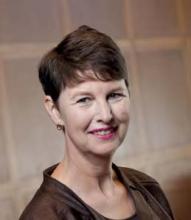
Brenda Smith, Executive Assistant Commissioner, Office of Trade, U.S.Customs and Border Protection says effective leaders need to see around corners:
Scan the environment, see around corners, and prepare your organization. A successful leader is the ability to scan the environment, see around corners, prepare your organization, and get it in a position to address the challenges it faces. I think back to one of my early mentors, a gentleman named Ed Kwas, who was a senior leader at the U.S. Customs Service. At the time that I knew him, he set up the first Office of Strategic Trade—which took customs into the environment of risk management and used data to make good risk-based decisions.
Anticipate—and be ready for—challenges. Mr. Kwas was one of the smartest men I knew. He had a knack for seeing ahead. He would use capabilities that we had available at the time, then fortify them in such a way as to anticipate—and be ready for—challenges five years out. Passion is another characteristic. I always look forward to getting up in the morning and going to work. Of course, there have been days when it’s a little more challenging. But I’ve always had the opportunity to take on new challenges and learn new things.
If you are interested in how real leaders lead and serve, then subscribe to The Business of Government Hour:

https://www.iheart.com/podcast/256-the-business-of-government-31003750/