Anticipate the threat, shape the response
Real-world lessons in emergency preparedness and resilience
In collaboration with: The National Academy of Public Administration and the IBM Institute for Business Value
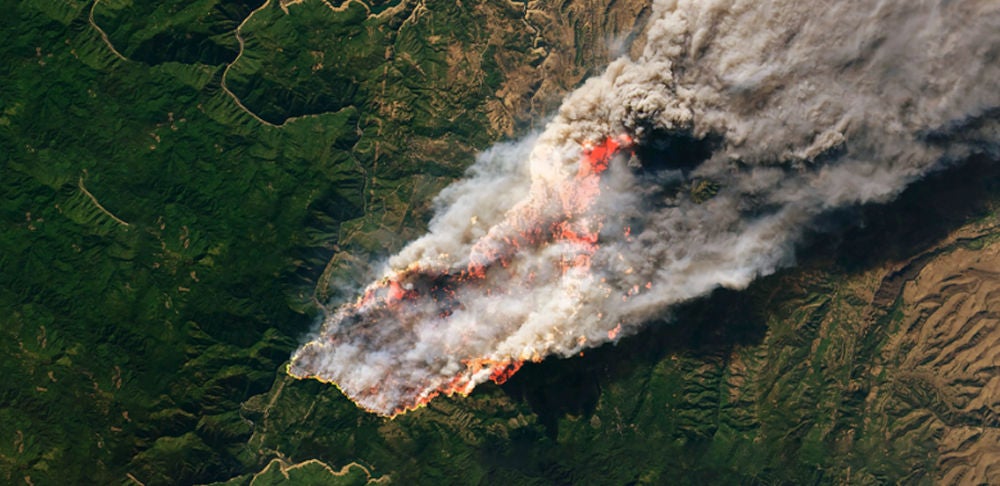
Over the past several years, governments, communities, and their partners have faced a widening range of disruptions—from severe weather and infrastructure failures to supply chain breakdowns, cybersecurity threats, and geopolitical instability. Each has reinforced the same lesson: resilience depends on the ability to make timely, informed decisions under uncertain conditions.
The Future Shocks initiative was created to help government leaders identify and build the capabilities required to lead through this turbulence. Previous reports have examined how collaboration, community engagement, preparedness, and innovative governance can strengthen resilience. Together, they underscored an important reality: resilience is not a fixed characteristic. It is built deliberately through planning, partnerships, leadership, and continuous learning.
This year’s collection turns to another increasingly important dimension: decision readiness under uncertainty. Its three cases examine flood preparedness, wildfire detection, and fireline operations—settings in which the quality and speed of decisions can have immediate consequences.
Governments today have access to more information than ever through sensors, satellites, forecasting systems, and AI-enabled analytics. The challenge is turning that information into action. Ultimately, resilience is about people. Technology creates value when it helps them make better decisions, respond more effectively, and return home safely.
The cases in this report show how organizations are beginning to close the gap between information and action. They demonstrate how emerging capabilities are being incorporated into operational workflows that strengthen preparedness, improve situational awareness, support frontline responders, and enhance resilience.
The lessons extend far beyond flooding and wildfires. Leaders across government can apply them wherever uncertainty, complexity, and rapid change demand faster, better-informed decisions. We thank the authors and organizations who contributed their experiences to this report.
Future shocks are inevitable; building the capacity to respond effectively is a choice. We hope these examples help leaders strengthen the partnerships and practical capabilities needed to meet whatever comes next.