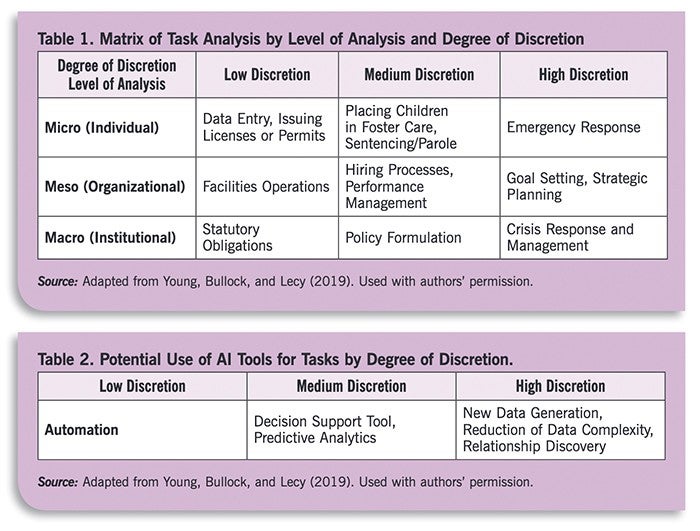
Building a culture of risk tolerance in introducing new technologies can be facilitated by focusing on a cost-benefit framework for considering social issues like ethics. Such an approach would allow agencies to compare the risks associated with AI (e.g., potential for human harm, discrimination, funds lost) with the benefits (e.g., lives saved, egalitarian treatment, funds saved) throughout the lifecycle of an algorithm’s development and operation. Cost-benefit analyses often include scenario planning and confidence intervals, which could work well in building a business case for AI systems over time—provided that the “costs” considered include not only quantifiable financial costs, but more intangible, value-based risks as well (such as avoiding bias or privacy harms). This could demonstrate a clear way to communicate risk and decisions about how and when to use AI -- including risks of leveraging AI to support a decision, relative to risks of decisions based solely on human analysis – in a way that informs public understanding and dialogue.